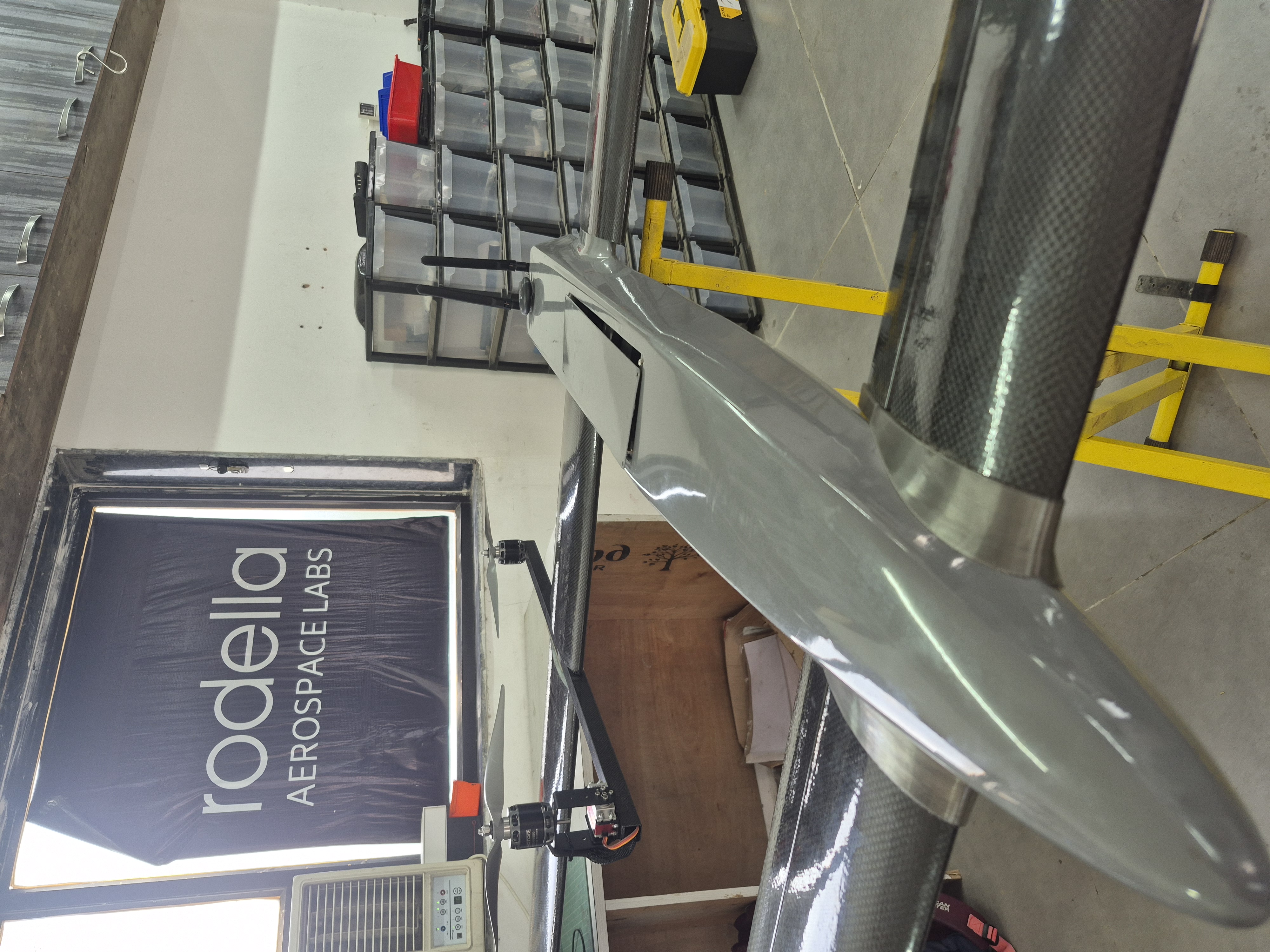
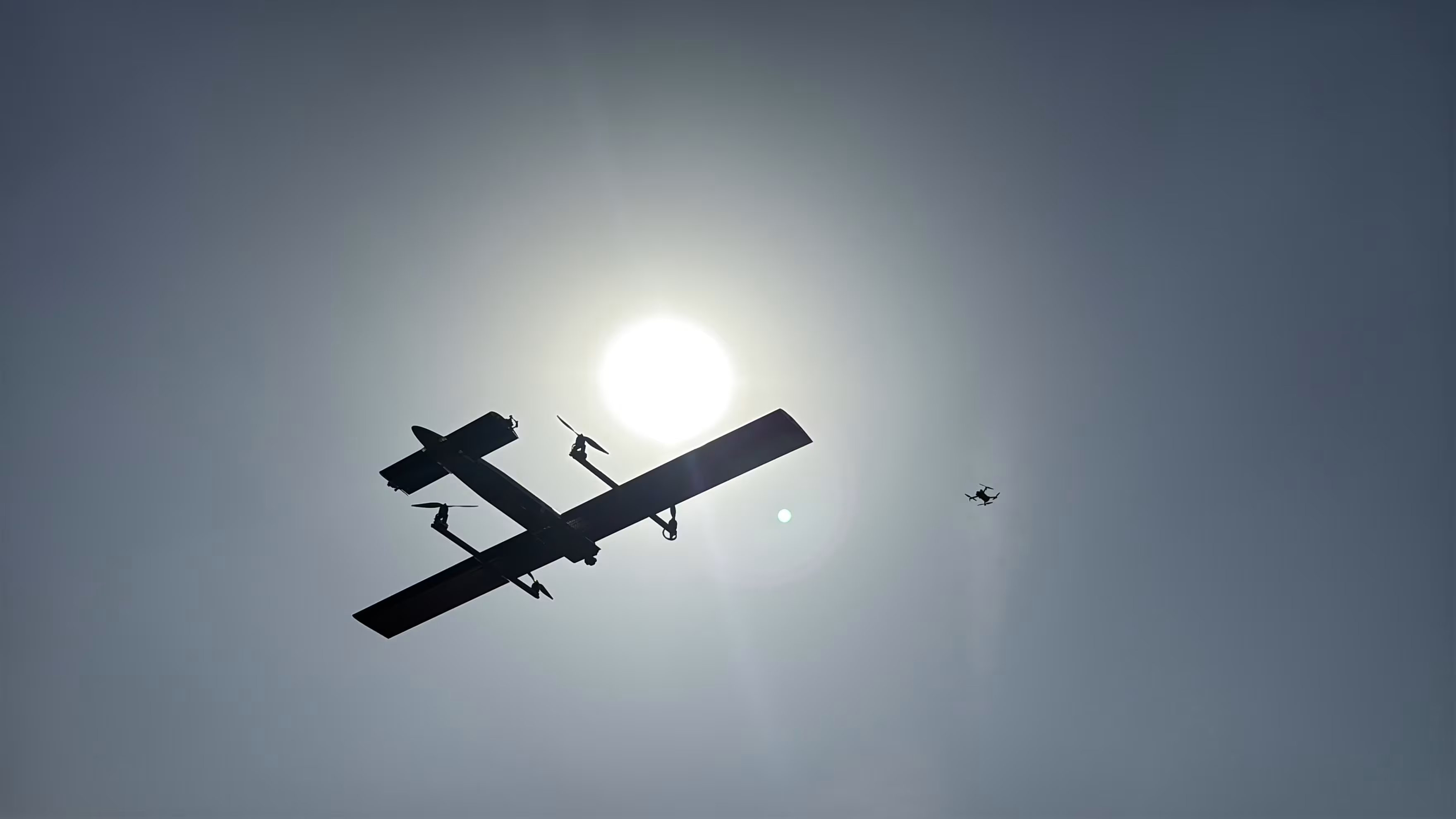
SE-2C
Electric Tilt-Rotor Unmanned Aerial Vehicle
100 km/h
Top speed
120 mins
Endurance
30 Kms
Op Range
EO/IR
Payload
Project Specs
MTOW
6-7 Kgs
Airframe
Carbon-Kevlar Composite
Power Plant
Brushless Electric
Front Propulsion
Dual Tilt Rotors
Range
30 Kms
Endurance
120 minutes
Cruise Speed
75 Km/h
Max Speed
100 Km/h
Operating Altitude
500-1000m AGL
Service Ceiling
4500m AMSL
Payloads
EO/IR
Wind Resistance
12-15 Km/h
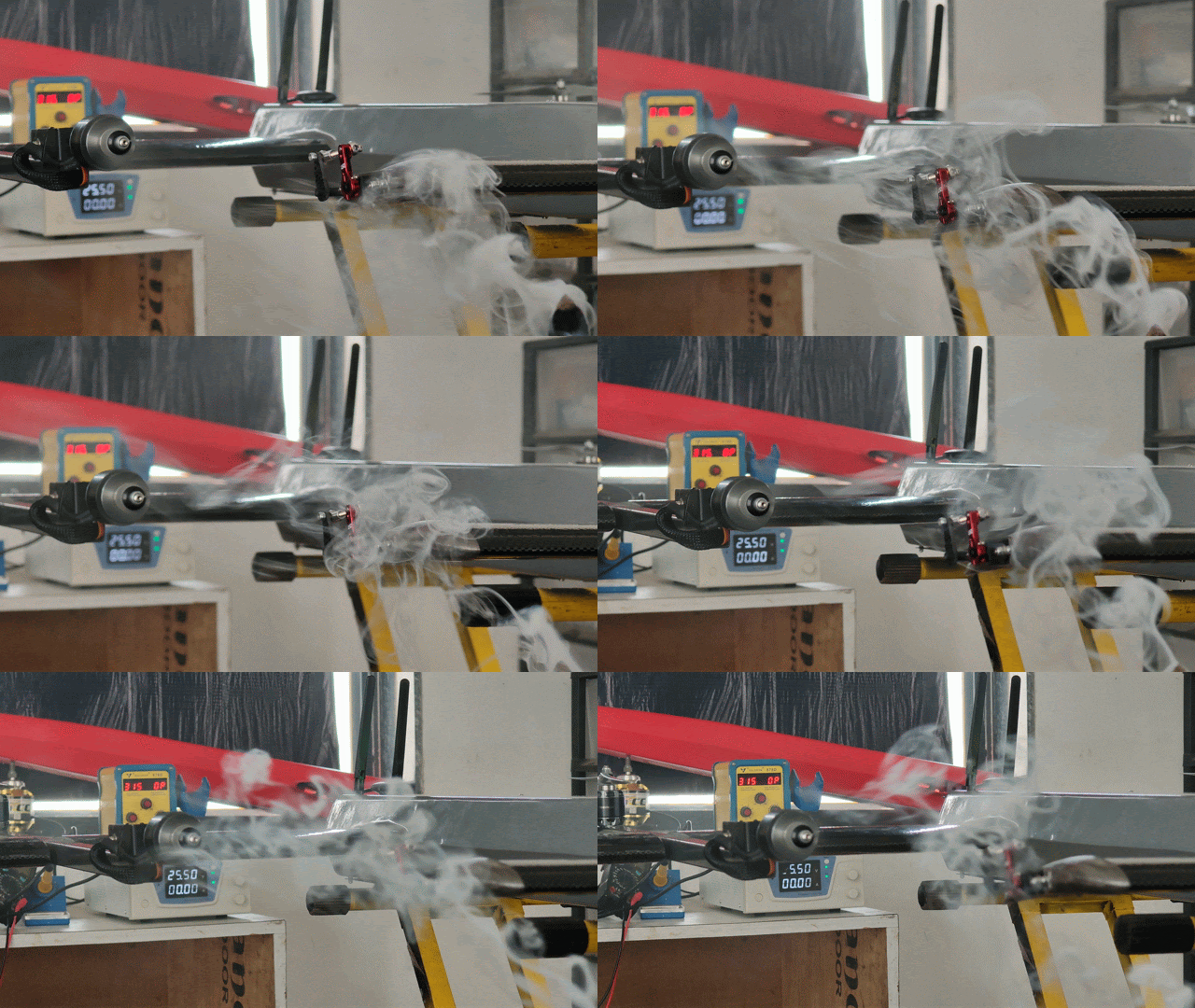
Blown Canard
The spanwise position of cruise rotors behind the tips of the control canard facilitates three desirable aerodynamic phenomena:
- Lowers the lift induced drag generated by the canard by sucking the tip generated vortices.
- Raises the effective aspect ratio of the canard which results in an early canard stall. This results in a pitch down moment and adds to the stability at near-stall conditions.
- Energizes the boundary layer on the canard and delays flow separation. This results in a lower form drag.
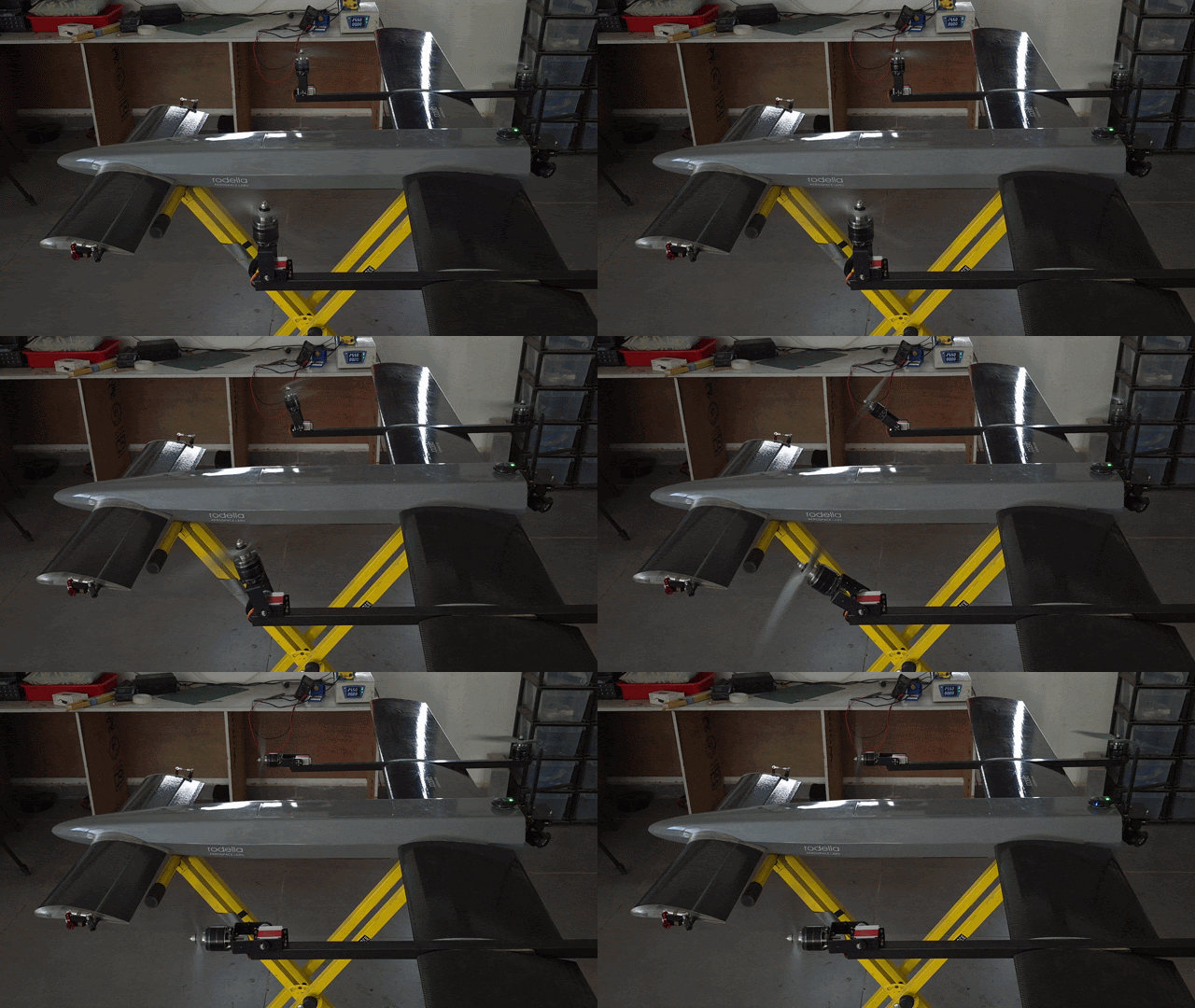
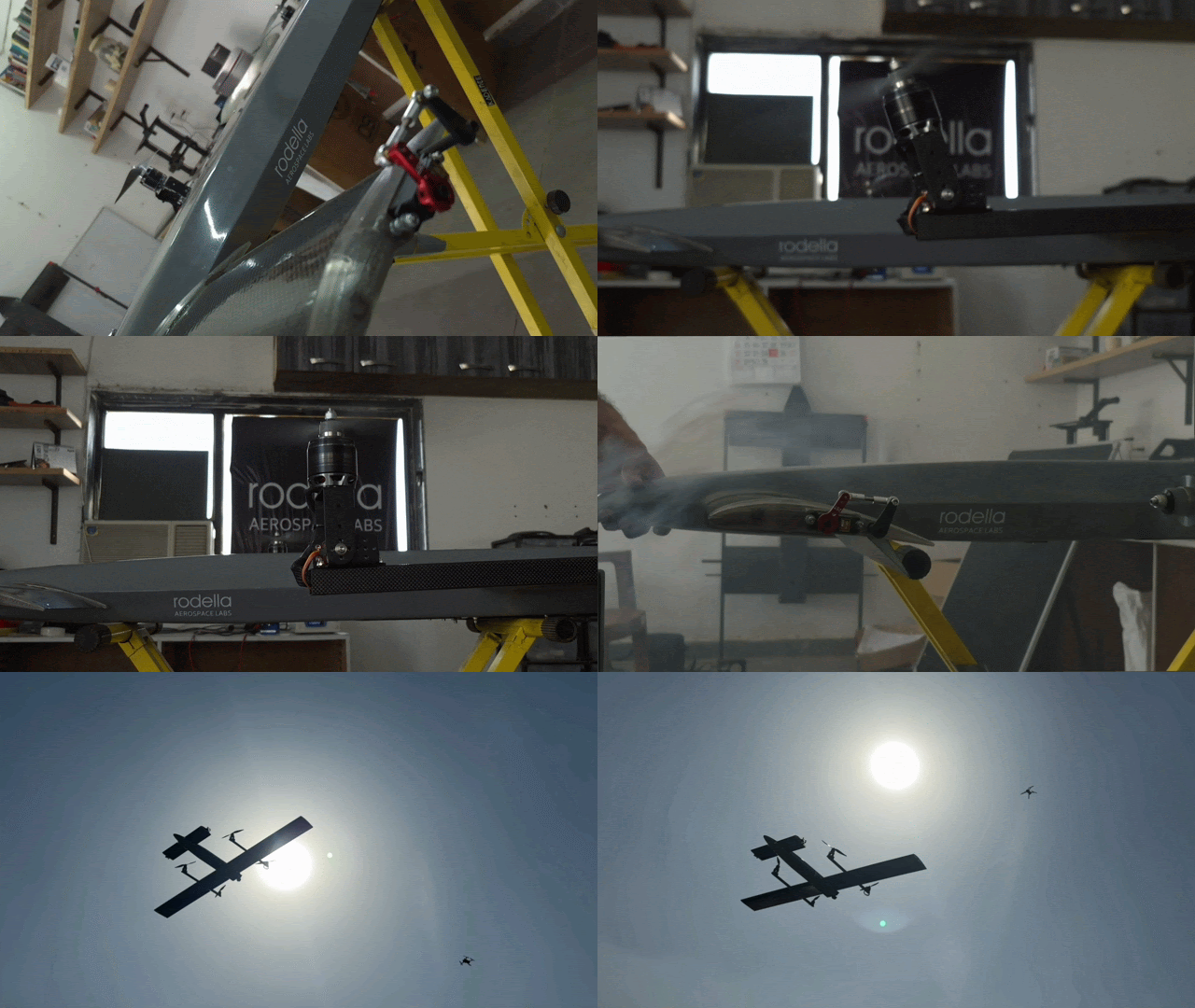
Tilt-Forward Transition
The front two rotors tilt and provide the cruising thrust. This clears the rear of the airframe which would have otherwise housed a pusher rotor. The EO is therefore mounted at the back and the associated drag is nulled out. The two rotors also act as an active yaw control system using differential thrust. This eliminates the vertical stabilizer. All of this saves weight and boy, it does reflect in performance.
